
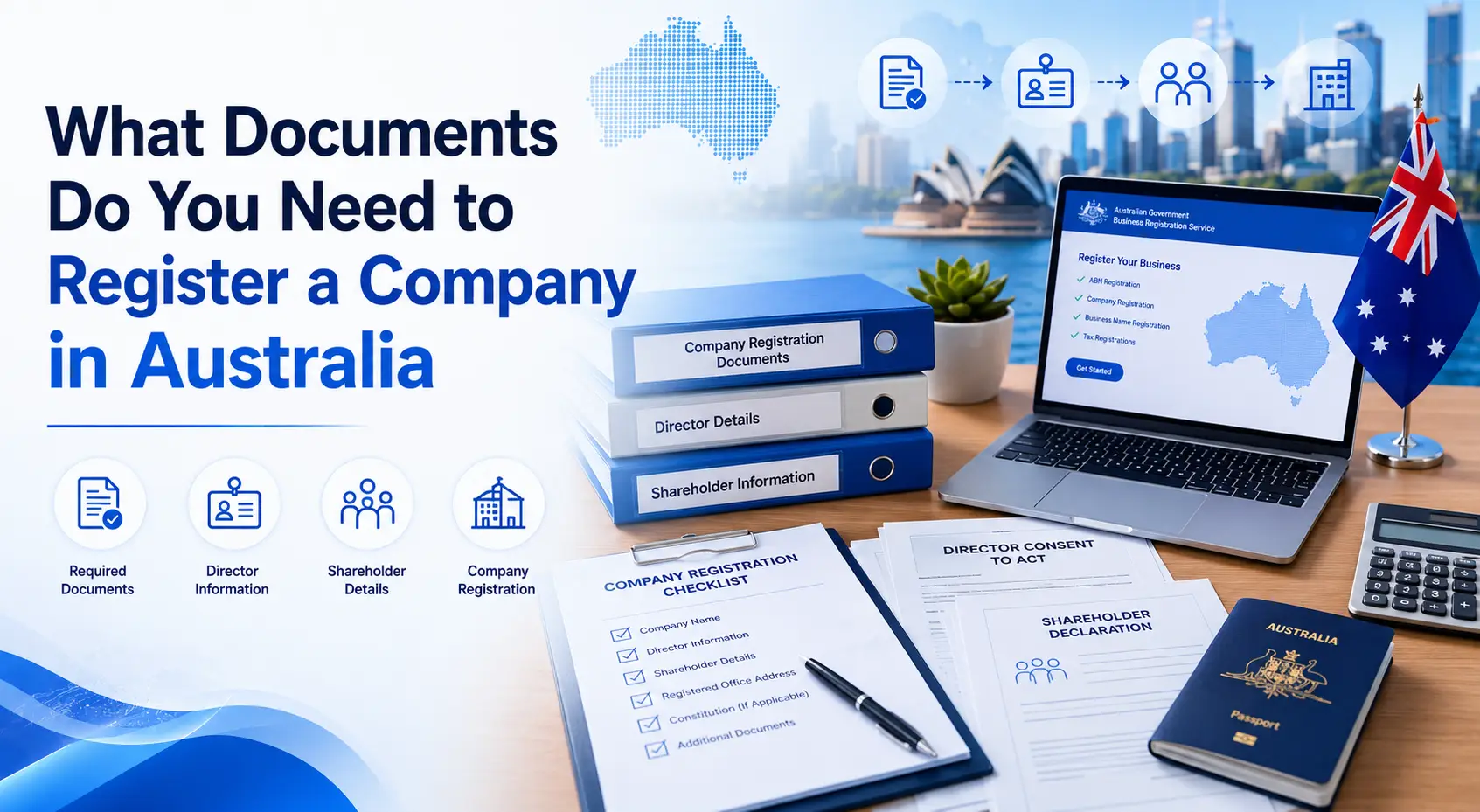
Starting a business is an exciting step, but before you begin trading, hiring employees, or serving customers, you need to ensure your company is properly registered. Understanding the documents required for business registration in Australia can help you avoid delays, compliance issues, and costly mistakes.
Whether you’re launching a startup, opening a family business, or expanding an existing venture, having the right information ready will make the registration process smoother. In this guide, we’ll explain the key documents required to register a company in Australia, why they’re important, and how professional support can simplify the process.
Understanding Business Registration in Australia
When you register a company in Australia, you are creating a separate legal entity that can own assets, enter contracts, and conduct business activities independently from its owners. Most entrepreneurs choose a proprietary limited company (Pty Ltd) structure because it offers liability protection and supports future business growth.
The Australian Government provides an official Business Registration Service where business owners can apply for company registration, an ABN, and other related registrations. You can learn more through the official government portal.
While the registration process is relatively straightforward, many businesses encounter delays because they are unprepared or submit incomplete information. Understanding the required documentation beforehand can save valuable time and help ensure compliance from day one.
Why Proper Documentation Matters
A successful company setup in Australia starts with accurate documentation. The information submitted during registration becomes part of your company’s legal record and affects tax obligations, ownership structures, compliance requirements, and future business operations.
Incorrect details can lead to registration delays, ASIC queries, and additional administrative costs. Proper preparation ensures that your business starts on a strong legal and financial foundation.
1. Proposed Company Name
One of the first pieces of information required is your proposed company name.
The chosen name must be available and comply with ASIC regulations. It should not be identical or deceptively similar to an existing registered company name.
Before proceeding with business registration in Australia, it’s a good idea to verify name availability and secure a matching domain name for your website. This helps establish a consistent brand presence from the beginning.
2. Director Details
Every company registered in Australia must have at least one director who ordinarily resides in Australia.
ASIC requires the following information for each director:
- Full legal name
- Date of birth
- Residential address
- Written consent to act as a director
Directors play a crucial role in managing the company and ensuring compliance with Australian laws. Providing accurate director information is essential when you register a company in Australia.
3. Shareholder Information
Shareholders are the legal owners of the company.
During company registration, you must provide details regarding shareholders and ownership percentages. This information helps establish who owns the business and how shares are distributed.
Clearly defining ownership at the beginning can help prevent disputes and provide transparency for future business decisions.
4. Registered Office Address
Every Australian company must nominate a registered office address.
This address is used for official correspondence from ASIC and other government authorities. The address must be a physical Australian location and cannot be a post office box.
If the company does not own the premises, written consent from the property owner may be required.
For many startups and growing businesses, professional service providers offer registered office solutions as part of their company setup in Australia services.
5. Principal Place of Business
You will also need to provide your principal place of business.
This is the location where the company’s daily operations are conducted. In some cases, the registered office and principal place of business may be the same address.
Providing accurate business location information is important for taxation, compliance, and government communication purposes.
6. Share Structure Details
The share structure defines ownership within the company.
When registering your company, you’ll need to determine:
- Number of shares issued
- Share classes
- Ownership percentages
The share structure can affect voting rights, profit distribution, and future investment opportunities. Choosing the right structure from the beginning can help support long-term growth.
7. Company Constitution (Optional)
Companies can choose to adopt a company constitution or operate under ASIC’s replaceable rules.
A company constitution outlines how the business will be managed, including shareholder rights, governance procedures, and decision-making processes.
Although not mandatory for every business, many companies find that a constitution provides additional clarity and flexibility as the business grows.
Do You Need an ABN, ACN, and Tax Registrations?
Many new business owners confuse these registrations.
When you register a company in Australia, ASIC issues an Australian Company Number (ACN). However, most businesses will also require an Australian Business Number (ABN).
Depending on the nature of your operations, you may also need:
- GST registration
- Tax File Number (TFN)
- PAYG withholding registration
- Payroll-related registrations
Ensuring these registrations are completed correctly is a critical part of business registration in Australia.
Common Mistakes During Company Registration
Many entrepreneurs rush through the registration process and make avoidable mistakes.
Some of the most common issues include selecting the wrong business structure, entering incorrect director information, misunderstanding share ownership arrangements, or failing to complete required tax registrations.
These mistakes can create compliance challenges later and may result in unnecessary costs.
Seeking professional advice before registration can help ensure everything is completed the first time correctly.
Why Professional Company Setup Services Matter
While it’s possible to complete the registration process yourself, many business owners prefer professional assistance to ensure compliance and avoid costly errors.
Professional advisors can help you select the right business structure, complete registrations accurately, establish accounting systems, and ensure all legal requirements are met.
If you’re planning a company setup in Australia and want expert guidance, TaxFlow offers dedicated company formation and registration support.
The Role of Accounting Services in Sydney After Registration
Registering a company is only the first step.
Once your company is operational, you’ll need to manage bookkeeping, taxation, payroll, BAS lodgements, and ongoing compliance obligations.
Working with experienced accounting services in Sydney can help you maintain accurate financial records, meet tax deadlines, and make informed business decisions.
Many businesses discover that professional accounting support not only improves compliance but also contributes to long-term profitability and growth.
How TaxFlow Helps New Businesses
At TaxFlow, we assist entrepreneurs throughout the entire business registration Australia process.
Our team helps clients:
- Register a company in Australia
- Apply for ABN and tax registrations
- Establish bookkeeping systems
- Meet ASIC compliance requirements
- Develop strong financial foundations
Our goal is to simplify the registration process so business owners can focus on growing their businesses with confidence.
Final Thoughts
Understanding the documents required to register a company in Australia is an important first step toward building a successful business. From director details and shareholder information to registered office addresses and tax registrations, every document plays a role in ensuring your company is legally compliant and ready for growth.
Whether you’re starting your first venture or expanding an existing operation, professional guidance can make the process significantly easier. If you’re considering business registration in Australia and want expert support, TaxFlow’s experienced team can help you complete your company setup in Australia efficiently and correctly from day one.
Leave a Reply